
Nacional
Make Big Profit with Futures Trading Algorithms


Introduction
In today’s fast-paced world, futures trading has become an increasingly popular way to invest money. Futures trading is the buying and selling of contracts that promise to deliver a particular commodity or financial instrument at a predetermined future date. We will explain you in this article how Futures Trading Algorithms can help you making profit.
Definition of futures trading
Futures trading is a type of investment in which traders buy or sell futures contracts that obligate them to buy or sell a specific commodity or financial instrument at a predetermined price and date in the future. Futures contracts are standardized agreements that trade on organized exchanges.
Explanation of how algorithms are used in futures trading:
Algorithms are used in futures trading to help traders make better decisions about when to buy or sell futures contracts. These algorithms are designed to analyze market data, identify trends and patterns, and execute trades based on predefined rules. This allows traders to take advantage of market movements more quickly and efficiently.
Purpose of the article:
The purpose of this article is to provide an overview of futures trading and explain how algorithms are used in this type of investment. By understanding these concepts, readers can make more informed decisions about their investments and potentially increase their chances of success in the futures market.
What Are Futures Trading Algorithms?
Definition of algorithms
Futures trading algorithms are computer programs used to execute trades in financial futures markets. These algorithms use predefined rules and mathematical models to analyze market data and make trading decisions.
How algorithms work in futures trading
Algorithms are sets of instructions that tell a computer what to do. In futures trading, algorithms are used to automate the process of analyzing market data and making trading decisions. They can process vast amounts of information quickly and make trades in fractions of a second, which can be essential in fast-moving markets.
Types of algorithms used in futures trading
There are several types of algorithms used in futures trading, including trend-following algorithms, mean reversion algorithms, and high-frequency trading algorithms. Trend-following algorithms identify market trends and make trades based on those trends. Mean reversion algorithms look for opportunities to profit from temporary market imbalances. High-frequency trading algorithms use complex mathematical models to execute trades at lightning-fast speeds.
Trend-following algorithms
Trend-following algorithms are one of the most popular types of algorithms used in futures trading. These algorithms look for trends in market data and make trades based on those trends. For example, if the algorithm identifies an upward trend in the price of crude oil futures, it may initiate a long position in crude oil futures to profit from that trend.
Mean reversion algorithms
Mean reversion algorithms are another popular type of algorithm used in futures trading. These algorithms look for opportunities to profit from temporary market imbalances. For example, if the algorithm identifies a situation where the price of a futures contract is significantly higher or lower than its historical average, it may initiate a trade to take advantage of that imbalance.
High-frequency trading algorithms
High-frequency trading algorithms are a type of algorithm that uses complex mathematical models to execute trades at very high speeds. These algorithms can analyze market data and execute trades in fractions of a second, which can be essential in fast-moving markets. High-frequency trading algorithms are often used by large financial institutions to take advantage of small price movements in futures markets.
Conclusion – What Are Futures Trading Algorithms?
In conclusion, futures trading algorithms are computer programs used to automate the process of analyzing market data and making trading decisions in financial futures markets. There are several types of algorithms used in futures trading, including trend-following algorithms, mean reversion algorithms, and high-frequency trading algorithms. These algorithms can process vast amounts of information quickly and make trades in fractions of a second, which can be essential in fast-moving markets.
Benefits of Futures Trading Algorithms
Increased efficiency and speed of trading
Futures trading algorithms offer several benefits to traders, including increased efficiency and speed of trading. By using these algorithms, traders can automate their trading strategies, reducing the time required for manual trading. This can result in faster execution of trades, providing traders with a competitive advantage in the market.
Improved accuracy of trading decisions
Moreover, futures trading algorithms can improve the accuracy of trading decisions. They can analyze market data and identify patterns and trends that are difficult for human traders to recognize. This can lead to more informed trading decisions, increasing the chances of profitable trades and reducing the risk of losses.
Reduction of emotional trading
One of the most significant benefits of futures trading algorithms is the reduction of emotional trading. Human traders can be influenced by emotions such as fear, greed, or excitement, leading to irrational trading decisions. Algorithms, on the other hand, are programmed to follow a specific strategy and are not affected by emotions. This can lead to more consistent and disciplined trading, which is essential for long-term success in the futures market.
Conclusion – Benefits of Futures Trading Algorithms
In conclusion, the use of futures trading algorithms provides several benefits to traders, including increased efficiency and speed of trading, improved accuracy of trading decisions, and the reduction of emotional trading. By utilizing these algorithms, traders can gain a competitive advantage in the market and achieve greater success in their trading activities.
Common Challenges with Futures Trading Algorithms
Futures trading algorithms can face several challenges that traders should be aware of. Here are three of the most common challenges:
- Over-optimization: While optimizing a futures trading algorithm can improve its performance, over-optimization can lead to problems. Over-optimization refers to tweaking an algorithm so much that it works perfectly on past data, but not on future data. To avoid this, traders should use a variety of data sources, use different parameters, and avoid curve fitting.
- High-frequency trading: High-frequency trading algorithms are designed to execute trades at lightning-fast speeds. However, this can lead to challenges such as increased risk due to the high volume of trades and the potential for the algorithm to malfunction.
- Black swan events: Black swan events are unpredictable events that have a significant impact on the market. These events can cause volatility and disrupt futures trading algorithms. To minimize the impact of black swan events, traders should diversify their portfolios and consider implementing risk management strategies such as stop-loss orders.
In summary, traders should be aware of these common challenges and take steps to mitigate their impact. By avoiding over-optimization, being mindful of the risks associated with high-frequency trading, and preparing for black swan events, traders can increase their chances of success in futures trading.
Key Factors to Consider When Choosing Futures Trading Algorithms
When it comes to choosing futures trading algorithms, several key factors must be considered. Here are three critical aspects to consider:
1. Performance Metrics:
Before selecting any trading algorithm, it is essential to evaluate its performance metrics. Look at how the algorithm performs in different market conditions and time frames. Pay attention to key metrics such as the algorithm’s Sharpe ratio, maximum drawdown, and overall profitability. It is also important to assess the algorithm’s speed and latency to ensure it can execute trades quickly and efficiently.
2. Risk Management:
Another critical factor to consider when selecting a futures trading algorithm is risk management. The algorithm must have a robust risk management strategy that can help minimize losses and preserve capital. Look for algorithms that use stop-loss orders, position sizing, and other risk management techniques to ensure they can handle potential market volatility and minimize downside risks.
3. Compatibility with Trading Strategies:
The third key factor to consider is the algorithm’s compatibility with your trading strategy. It is crucial to select an algorithm that aligns with your investment goals and trading style. Look for algorithms that are flexible and can be customized to suit your specific needs. Consider the algorithm’s trading frequency, holding periods, and the type of assets it trades to ensure it is suitable for your investment objectives.
In conclusion, when choosing futures trading algorithms, performance metrics, risk management, and compatibility with trading strategies are critical factors to consider. By carefully evaluating these factors, you can select an algorithm that aligns with your investment goals and helps you achieve your desired returns.
Examples of Successful Futures Trading Algorithms
Successful futures trading algorithms are those that can predict market movements accurately and make profitable trades. There are different types of trading algorithms, and each uses a different approach to analyze the market.
Trend-following algorithms
One popular type of futures trading algorithm is the trend-following algorithm. This algorithm identifies trends in the market and takes positions accordingly. When a market is trending upwards, the algorithm will buy, and when it’s trending downwards, it will sell. This strategy works well in markets that are in a strong trend, but it can struggle in sideways markets.
Mean reversion algorithms
Another type of futures trading algorithm is the mean reversion algorithm. This algorithm assumes that markets tend to revert to their mean, and takes positions based on this assumption. It looks for situations where the market has deviated significantly from its mean and takes a position in the opposite direction. This strategy works well in markets that are range-bound or experience mean reversion.
Volatility breakout algorithms
Finally, there are volatility breakout algorithms. These algorithms take positions based on sudden price movements caused by increased volatility. They identify markets that are trading within a range and wait for a sudden breakout in either direction. When a breakout occurs, the algorithm takes a position in the direction of the breakout. This strategy works well in markets that are prone to sudden and sharp price movements.
In conclusion, successful futures trading algorithms are those that can accurately predict market movements and take positions accordingly. There are different types of algorithms, each with their strengths and weaknesses. Trend-following algorithms work well in trending markets, mean reversion algorithms work well in range-bound markets, and volatility breakout algorithms work well in markets prone to sudden price movements.
Conclusion
In conclusion, futures trading algorithms have become an essential tool for traders looking to achieve success in the futures market. These algorithms provide traders with the ability to execute trades quickly and efficiently while reducing their overall risk.
Importance of Futures Trading Algorithms
Futures trading algorithms offer several benefits to traders, including increased speed and efficiency, reduced risk, and the ability to make informed trading decisions. These algorithms use complex mathematical formulas and historical data to analyze market trends and make trading decisions based on that analysis.
Recommendations for Selecting and Using Algorithms
When selecting a futures trading algorithm, it’s essential to consider several factors, including the algorithm’s performance, cost, and ease of use. Traders should also ensure that the algorithm they choose is compatible with their trading style and goals.
Once a trader has selected an algorithm, they should use it in conjunction with their own analysis and trading strategies. It’s essential to monitor the algorithm’s performance regularly and make adjustments as necessary.
Future Trends in Futures Trading Algorithms
As technology continues to advance, the future of futures trading algorithms looks promising. Artificial intelligence and machine learning are already being used to improve algorithm performance, and it’s likely that these technologies will continue to play a significant role in the development of new and improved algorithms.
Additionally, we can expect to see increased integration of algorithms with other technologies, such as blockchain and cloud computing, which will further enhance their speed and efficiency. Finally, as the use of algorithms becomes more widespread, we can expect to see increased regulation and oversight to ensure fair and ethical trading practices.

Jimmy Chen is a renowned trader, author, and thought leader in the finance industry. With over a decade of experience in the markets, he is known for his visionary approach to trading and his ability to anticipate market trends.His passion for the industry and dedication to helping others succeed has made him a sought-after speaker and consultant, inspiring the next generation of finance professionals.
Actualidad
Minsa ordena devolver más de S/ 404 mil a Alkofarma pese a cuestionamientos por contrato millonario
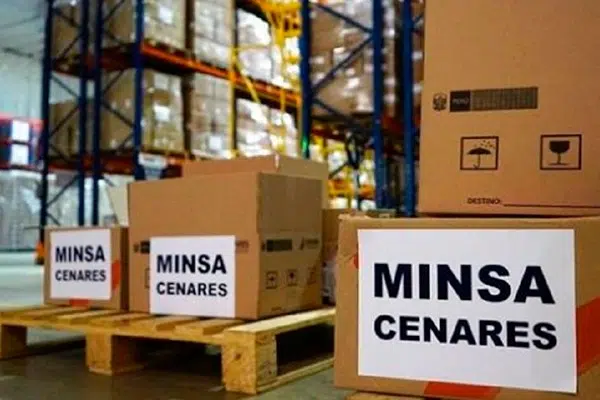
Una resolución de Cenares, organismo del Ministerio de Salud, dispone gestionar la devolución de una penalidad a la farmacéutica, cuestionada por el suministro de suero fisiológico de procedencia china.
La empresa Alkofarma E.I.R.L. vuelve al centro de la polémica luego de que el Centro Nacional de Abastecimiento de Recursos Estratégicos en Salud (Cenares), órgano del Ministerio de Salud (Minsa), reconociera la devolución de S/ 404,528.69 por una penalidad aplicada a la compañía.
La decisión consta en la Resolución Directoral N.° 202-2026-CENARES-MINSA, firmada el 23 de septiembre por Patricia Suárez Beyodas, directora general de Cenares, y sustentada en un acuerdo de conciliación.

El caso se produce en medio de cuestionamientos por una contratación superior a S/ 31 millones para el suministro de suero fisiológico importado de China, producto sobre el cual se reportaron observaciones técnicas, según investigaciones periodísticas.
Asimismo, el diario Del País denunció que la empresa habría sido favorecida con reconocimientos de deuda superiores a S/ 5 millones, además de la devolución de la penalidad.
Si bien la resolución acredita que Cenares reconoció el derecho a recuperar dicho monto, no confirma que el dinero ya haya sido desembolsado ni demuestra por sí sola una irregularidad.
El Ministerio de Salud debe esclarecer los fundamentos de estas decisiones, las observaciones realizadas al producto y las condiciones bajo las cuales se autorizó la devolución de la penalidad, en un caso que involucra millones de soles destinados a la salud pública.
Actualidad
Negocio comprometido: Suero defectuoso de Alkofarma, el entramado en CENARES y el hilo rojo que conduce a APP

Pese a las alertas de calidad emitidas por la DIGEMID sobre un suero de procedencia china, CENARES otorgó a Alkofarma una ampliación contractual por S/ 7,660,872.00 millones adicionales, tras la compra directa previa de suministros por S/ 31,217,061.50 millones realizada en 2025. La empresa, vinculada como sponsor de la UCV, también impidió una conciliación que representaba un ahorro de S/ 1.7 millones para el Estado.
Una presunta trama de serias irregularidades administrativas, direccionamiento de compras públicas y sospechosas conexiones políticas sacude al Ministerio de Salud (MINSA).
Documentos oficiales internos revelan que el Centro Nacional de Abastecimiento de Recursos Estratégicos en Salud (CENARES) ha otorgado un trato privilegiado a la empresa ALKOFARMA E.I.R.L. que a su vez es financista y sponsor oficial del Club Universidad César Vallejo (UCV), propiedad de César Acuña.
El suero fisiológico (cloruro de sodio de 1Lt) importado de China por el mencionado laboratorio presentó deficiencias en la calidad que fueron reportadas por diversos hospitales y formalizadas por la propia DIGEMID pero a pesar de eso CENARES le aprobó un millonario contrato como prestación adicional de S/ 7.6 millones y también rechazó una conciliación con otro proveedor aduciendo un insólito «sobrestock”.
1. El origen: compra «no competitiva» por más de s/ 31 millones
En setiembre de 2025, CENARES convocó el proceso no competitivo (Contratación Directa N.° 22-2025-CENARES/MINSA) para la adquisición de 7,176,336 unidades de Cloruro de Sodio de 1Lt.; el contrato N.° 313-2025-CENARES/MINSA fue otorgado a ALKOFARMA E.I.R.L. por un monto de S/ 31,217,061.60 (a S/ 4.35 por unidad). El producto suministrado no era de origen peruano, sino importado de China del fabricante Shijiazhuang N°4 Pharmaceutical Co., Ltd. con Registro Sanitario EE-13689.

2. La alerta de DIGEMID que el MINSA prefirió «ignorar»
El producto que fue repartido en toda la red hospitalaria nacional no tardó en presentar problemas, varios hospitales reportaron estar inconformes con las especificaciones técnicas del suero recibido además de que este presentó fallas de calidad.
El 22 de julio de 2026, mediante la Carta N.º 644-2026-DG-DIGEMID-MINSA, la Directora General de DIGEMID, Dra. Lida Esther Hildebrandt Pinedo, notificó oficialmente al Viceministro de Salud Pública, Henry Rebaza Iparraguirre, sobre la crítica situación técnica del suero de ALKOFARMA; la nota da cuenta de que CENARES conocía formalmente estos fallos desde el 15 de junio de 2026 (Nota Informativa N.° D000504-2026-CENARES-DAD-MINSA).
¿Qué es lo que se debió hacer? DIGEMID estaba en la obligación de suspender o cancelar el Registro Sanitario y emitir una alerta pública para retirar el lote defectuoso, paralelamente CENARES debió resolver el contrato y convocar a una licitación pública, pero nada de eso ocurrió.
3. La jugada del adicional y la «mejora» de fachada
Pese a tener conocimiento de que el suero chino tenía defectos, CENARES emitió el 1 de julio de 2026 la Resolución N.° 161-2026-OA-CENARES-MINSA, otorgándole a ALKOFARMA una prestación adicional por el monto de S/ 7,660,872.00 para entregar 1.76 millones de unidades más.
En una posición insostenible debido a los cuestionamientos en la calidad del producto, ALKOFARMA envió la Carta N° 0061-LEGAL-ALKOFARMA-2026 (24 de julio de 2026) solicitando un cambio de fabricante para entregar el producto de la marca B. Braun Medical Perú S. aduciendo «problemas logísticos» con el proveedor de China, pero en el mismo escrito admitió que el producto de B. Braun representaba una «mejora en el bien».
De esta manera ALKOFARMA confirmó tácitamente que el suero chino con el que abasteció a miles de peruanos carecía de la calidad requerida, pero en lugar de sancionar a la empresa proveedora, funcionarios de CENARES (como José Antonio Vargas Molina, de Programación) tramitaron aceleradamente la solicitud para añadir una adenda al contrato.
4. Doble rasero en CENARES: se niegan a ahorrar s/ 1.7 millones
La evidencia de un eventual direccionamiento queda al descubierto con el caso MEDIFARMA S.A.:
- El 22 de julio de 2026, mediante el Informe N° D000693-2026-CENARES-OAL-MINSA, el Jefe de Asesoría Legal de CENARES, Francis William Bermejo Juárez, le recomendó al Director General de CENARES, Javier Iván Henostroza Cáceres, NO conciliar con el laboratorio MEDIFARMA S.A. en un proceso arbitral por suero de litro.
- El pretexto de CENARES: Argumentaron que el sistema CISMED registraba «sobrestock» de suero de 1Lt y que no había necesidad de abastecimiento.
- La contradicción criminal: CENARES adujo «sobrestock» para cerrarle la puerta a MEDIFARMA, lo que le hubiese generado un ahorro de S/ 1.7 millones de soles al Estado, pero simultáneamente firmaba un adicional de S/ 7.6 millones para seguir comprándole a ALKOFARMA. ¿Acaso es probable que tengan “sobrestock” de producto pero que se encuentran inmovilizados por falla de calidad? Si el producto permanece inmovilizado, el impacto económico no se limita al costo de esta compra por prestación adicional. También representa un mayor gasto para el Estado, ya que se suma el valor del inventario inmovilizado que, eventualmente, tendría que ser dado de baja por merma, motivo de su falla de calidad.
5. El hilo rojo que llega hasta Alianza para el Progreso (APP)
Detrás de las decisiones administrativas de CENARES opera una estructura política que estaría fuertemente conectada con el partido de César Acuña:
- ALKOFARMA es el Sponsor Oficial de la UCV: El laboratorio financia formalmente al Club Universidad César Vallejo (propiedad de la familia Acuña) en las temporadas 2024 y 2026, figurando en el pecho y espalda de su camiseta.
- Dirección de CENARES: El Director General del CENARES, Javier Iván Henostroza Cáceres, figura en los fueros políticos como un cuadro técnico estrechamente vinculado a las cuotas de poder desplegadas por APP en el Ministerio de Salud desde gestiones anteriores y fue Henostroza quien validó la postura institucional contra la conciliación con Medifarma y respaldó los actos administrativos en favor de Alkofarma.
- Desembarco en la Secretaría General del MINSA: la toma de posiciones dentro del sector se selló formalmente en el Diario Oficial El Peruano el pasado 31 de julio de 2026; mediante la Resolución Ministerial N° 661-2026/MINSA, suscrita por el nuevo Ministro de Salud, Luis Williams Dyer Fernández, se designó como Secretario General del Ministerio de Salud al señor Juan Carlos Gonzales Hidalgo, ampliamente conocido por haberse desempeñado como Personero Legal Nacional de Alianza Para el Progreso (APP).

Interrogantes para la fiscalía y contraloría
- ¿Por qué DIGEMID no canceló el registro sanitario ni alertó a la población sobre los lotes de cloruro de sodio con problemas de calidad?
- ¿Por qué CENARES insistió en otorgar una prestación adicional de S/ 7.6 millones a una empresa con un producto observado?
- ¿Cómo se justifica rechazar un ahorro de S/ 1.7 millones aduciendo «sobrestock» y al mismo tiempo comprarle casi 2 millones de unidades de sueros más a Alkofarma?, ¿Será acaso que existe inmovilización de unidades de suero de procedencia china proveído por Alkofarma?
- ¿Existen responsabilidades penales por negociación incompatible y tráfico de influencias entre los directivos de CENARES y los operadores de APP?
-

 Especiales5 años ago
Opinión: LA LIGA CONTRA MESSI
-
 Ciencia y Tecnología5 años ago
Procesadora peruana Torre Blanca impulsa exportación de fruta a países asiáticos
-

 Arte y Cultura4 años ago
Minedu reconformará comisión organizadora de Universidad Nacional Autónoma de Tayacaja “Daniel Hernández Murillo”
-

 Ciencia y Tecnología5 años ago
Atenciones del Servicio de Publicidad Registral en Línea de la Sunarp crecieron en 122 %
-
 Lima Norte3 años ago
Rumbo al GOTHIA CUP en Luxemburgo Suecia con su categoría sub 11 – Señal Alternativa
-

 Ciencia y Tecnología5 años ago
Depsa lanza nuevo servicio Medical Box para el sector Salud
-
 Noticias3 años ago
Mininter anuncia creación de nueva categoría en PNP
-

 Deportes3 años ago
🔴#ENVIVO Cienciano vence 5-2 a Alianza Atlético en Cusco